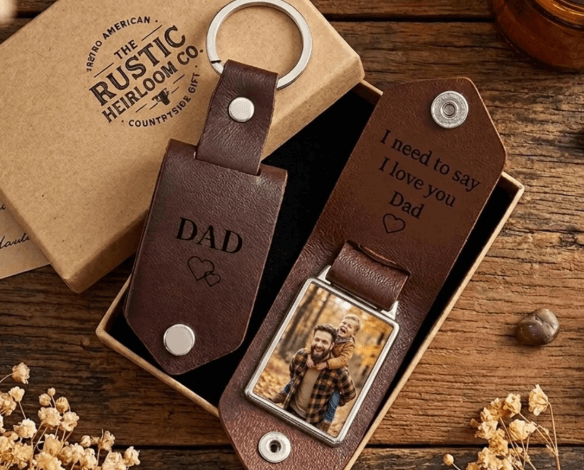
Ever thought about turning a creative hobby into a small business? Personalised keychains might be one of the easiest products to start with. They’re affordable to make, easy to customise, and appeal to all kinds of customers, from people looking for thoughtful gifts to businesses ordering promotional merchandise.
And with a laser engraving machine, creating professional-looking keychains doesn’t require years of experience or a large workshop. You can engrave names, logos, dates, and intricate designs onto materials such as wood, acrylic, and leather. Better still, once you’ve created a design, you can reproduce it whenever a new order comes in.
For Australians interested in starting a small engraving business, personalised keychains offer a practical way to test the market without managing a huge product range. So, how do you make them, and more importantly, how do you turn them into products people actually want to buy?

Why Personalised Keychains Are a Good Small Business Idea
Keychains might seem like simple accessories, but that’s precisely what makes them attractive to small business owners.
Unlike large decorative products, they require relatively little material, don’t take up much storage space, and are generally inexpensive to package and ship.
They’re also easy to personalise, which creates opportunities to sell products for different occasions.
For example, a customer might want a wooden keychain engraved with their partner’s initials. A local café might order acrylic keychains featuring its logo. A wedding organiser might need 50 personalised keyrings as guest favours.
All three orders involve the same basic product, but each serves a different purpose.
Some popular keychain ideas for the Australian market include:
- Personalised name keychains: Simple wooden or acrylic designs featuring names, initials, or special dates.
- Pet-themed keychains: Custom accessories featuring pet names, silhouettes, or engraved portraits.
- Wedding favours: Matching keyrings with the couple’s names and wedding date.
- Business promotional keychains: Branded accessories for local businesses, clubs, and events.
- Australian-inspired designs: Original artwork featuring native wildlife, coastal themes, or local landmarks.
The key is finding a particular audience rather than trying to sell everything to everyone.
Step 1: Choose the Right Materials for Your Keychains
Before designing your first keychain, you’ll need to decide which materials to use.
Your choice will affect the appearance, durability, production cost, and engraving process.
Wooden Keychains
Wood is an excellent starting material for beginners. It offers a natural appearance, works well with engraved lettering, and suits a wide range of designs.
Thin plywood, maple, and other laser-compatible woods can be used to create custom shapes, names, and decorative patterns.
For example, you could make a round wooden keychain featuring an engraved eucalyptus leaf and a personalised name. Wooden keychains are particularly suitable for rustic gifts, wedding favours, and handmade-style collections.
Acrylic Keychains
Acrylic is another popular option, especially for customers who prefer modern, colourful accessories. Clear, coloured, and opaque acrylic sheets can be cut into different shapes and engraved with decorative designs. Acrylic works particularly well for business logos, geometric patterns, and contemporary personalised gifts. However, always choose laser-compatible acrylic. Different plastic materials react differently to laser processing, and some release hazardous fumes.
Leather Keychains
Leather provides a more traditional, premium appearance. You can engrave initials, names, or decorative patterns onto suitable leather blanks and attach them to metal keyrings.
- Vegetable-tanned leather is often a practical choice for laser engraving.
- Avoid unknown synthetic leather and PVC-containing materials, which can release dangerous gases when heated.
For beginners, it’s generally best to start with one or two materials before expanding into more complicated designs.
Step 2: Create Your Keychain Designs
Once you’ve selected your materials, the next step is preparing the design.
You don’t need to be a professional graphic designer to create attractive keychains. Many successful designs are surprisingly simple.
A name in an elegant font, a small illustration, or a geometric shape can be enough to make a product appealing.
Design software allows you to create or import artwork and prepare it for laser engraving.
When designing keychains, keep a few practical considerations in mind.
First, choose dimensions that make the finished product comfortable to carry. Many keychains measure approximately 40–70 mm across, although the ideal size depends on the design.
Second, leave enough space for the hole that will hold the keyring attachment. Positioning this hole too close to the edge can weaken the finished product.
Finally, consider how the engraving will appear on the chosen material.
Fine lettering might look excellent on smooth acrylic but become less readable on wood with a pronounced grain.
Before producing a complete batch, make a sample to check the design’s appearance and durability.
Step 3: Engrave and Cut Your Keychains
With your design ready, it’s time to start engraving.
A laser engraving machine uses a concentrated beam of light to remove or alter material along a programmed path.
Depending on the settings, the same machine can engrave a design onto the surface or cut through a sheet to create the keychain’s shape.
Here’s a straightforward workflow.
1. Prepare the material. Place your wooden or acrylic sheet on the machine’s workbed. Make sure it’s clean, flat, and properly positioned.
2. Import your design. Open the artwork in compatible laser software and arrange the keychain shapes within the available working area.
3. Set the engraving parameters. Adjust the laser power, speed, and focus according to the material. Always test the settings on a spare piece first.
4. Engrave before cutting. When producing keychains from a larger sheet, engrave the decorative elements first. Cut the outer shapes afterwards to reduce the risk of small pieces shifting.
5. Inspect and finish the products. Remove the keychains, clean any residue, and attach the metal rings or chains.
Remember that laser engraving involves heat, fumes, and potentially hazardous materials. Use appropriate ventilation, follow the machine’s safety instructions, and never leave the equipment operating unattended.
Step 4: Choose a Laser Engraver That Can Support Your Business
If you’re planning to sell keychains regularly, choosing the right equipment can make a significant difference.
A basic machine might be sufficient for occasional DIY projects, but business production introduces additional requirements.
You’ll want consistent engraving quality, enough working space to process multiple keychains, and a setup that doesn’t require constant manual adjustments.
This is where a desktop CO₂ laser engraver becomes particularly useful.
OMTech Polar Lite: A Practical Choice for Keychain Businesses
For creators looking to start or expand a personalised keychain business, the OMTech Polar Lite CO₂ Laser Engraver offers several practical advantages. Its 55W CO₂ laser can engrave and cut materials commonly used for keychains, including wood, acrylic, and suitable leather. This versatility means you can experiment with different product styles without purchasing a separate machine for every material.
More importantly, the Polar Lite features a 500 × 300 mm working area.
Why does that matter for keychain production? Imagine you’ve received an order for 40 personalised wooden keychains. Instead of processing each piece individually, you can arrange multiple designs across a single wooden sheet, provided they fit within the working area. The machine can then engrave and cut the pieces in one organised production job. This reduces repeated setup work and makes batch production more convenient.
Another useful feature is one-click autofocus, which automatically adjusts the focus for the material. For someone switching between thin wooden blanks and thicker acrylic pieces, this can simplify preparation and help maintain consistent engraving results.
The Polar Lite also supports LightBurn software, allowing users to organise designs, duplicate patterns, and prepare engraving jobs digitally.
For a small business owner, these features translate into practical benefits: less time spent on repetitive preparation, more flexibility when accepting orders, and greater capacity to produce multiple products efficiently. Its desktop design is also attractive to creators working from a home workshop or a small commercial space, although proper ventilation and sufficient operating clearance remain essential.
Step 5: Work Out Your Keychain Pricing
Making attractive keychains is only half the challenge. You also need to price them correctly.
One common mistake beginners make is calculating the selling price based only on material costs.
However, a profitable price should also account for labour, packaging, electricity, machine maintenance, selling fees, and a contribution towards equipment costs.
Consider this hypothetical example for a personalised wooden keychain:
| Expense | Cost per keychain |
|---|---|
| Wooden blank | A$0.80 |
| Metal keyring attachment | A$0.35 |
| Packaging | A$0.50 |
| Electricity and consumables | A$0.15 |
| Labour allowance | A$2.00 |
| Equipment and overhead allowance | A$0.70 |
| Estimated total cost | A$4.50 |
If you sell the finished keychain for A12,thedifferenceisA7.50 before marketplace fees, payment processing, taxes, and other business expenses.
These figures are illustrative rather than actual supplier quotations, but they demonstrate why understanding your costs matters.
You can also create different pricing tiers.
For example, a simple engraved wooden keychain might sell for less than a detailed acrylic design featuring multiple layers or personalised artwork.
For bulk orders, consider offering discounts that reflect genuine production efficiencies rather than simply reducing your profit margin.
Step 6: Find Customers for Your Keychains in Australia
Once you’ve developed a few designs and calculated your prices, it’s time to start selling.
You don’t necessarily need your own website immediately.
Online marketplaces such as Etsy allow Australian makers to list handmade and personalised products.
You can also use social media to showcase finished keychains, share short videos of the engraving process, and demonstrate how customers can personalise their orders.
Local markets are another useful option.
Craft fairs, weekend markets, and community events allow potential customers to examine your products in person.
This can be especially helpful when selling wooden or acrylic accessories, as customers often appreciate seeing the material and engraving quality before buying.
Don’t Overlook Local Businesses
Individual customers aren’t your only potential buyers.
Small businesses, sporting clubs, schools, and event organisers may need personalised keychains in larger quantities.
For example, a local real estate agency might order branded keyrings to accompany property keys.
A sporting club might want custom keychains featuring its logo and team colours.
These orders can provide opportunities for repeat business, particularly if you maintain consistent quality and reliable turnaround times.
When using business logos or copyrighted artwork, always obtain the appropriate permission.
Step 7: Set Up Your Australian Keychain Business Properly
If you intend to sell keychains as an ongoing business, it’s worth understanding the basic administrative requirements.
In Australia, you may need to obtain an Australian Business Number (ABN), depending on whether your activity qualifies as a business.
You should also consider whether to register a business name and how to maintain records of your income and expenses.
The Australian Taxation Office provides guidance on business income, expenses, and GST obligations.
GST registration is generally required once your GST turnover reaches the applicable A$75,000 threshold, although other circumstances may affect your obligations.
For official information, consult business.gov.au and the Australian Taxation Office.
If you’re operating a laser engraver from home, check any relevant local council requirements and ensure your workspace has suitable ventilation and fire safety arrangements.
Taking care of these details early can help you build a more sustainable business.
See also: How Leaflet Printing Helps Telford Businesses Reach More Customers
Final Thoughts: Start Small and Build Your Keychain Business
Personalised keychains are a practical product for Australians interested in combining creativity with small business opportunities.
They’re relatively inexpensive to produce, easy to customise, and suitable for a wide range of customers.
The most effective approach is to begin with a few well-designed products, test different materials, and learn which styles attract the most interest.
As orders increase, a capable laser engraving machine can make production easier by allowing you to process multiple pieces, maintain consistent quality, and introduce new product designs.
With the right equipment, realistic pricing, and a clear understanding of your customers, a simple keychain-making hobby could gradually develop into a rewarding small business.