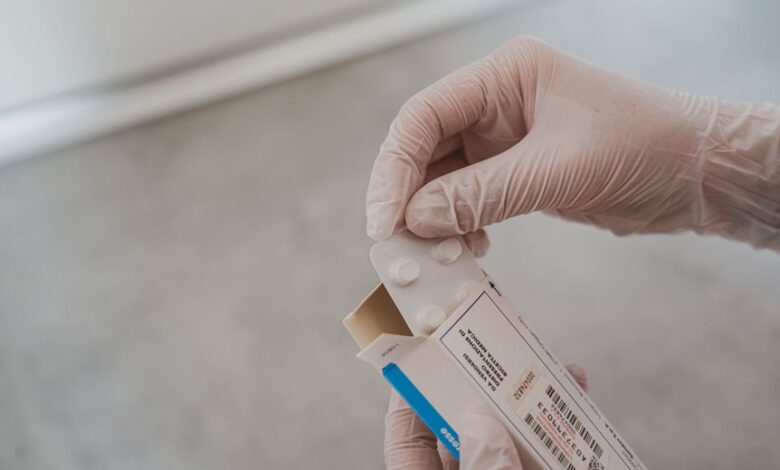
Medicine recalls can be confusing. This guide offers a practical, skeptical lens on what a recall means, how to verify relevance, and which actions are truly necessary. It sticks to official notices and concrete steps, avoiding hype or speculation. It asks readers to compare lot numbers, packaging, and labeling, and to weigh risks and alternatives calmly. The question remains: are safety actions followed promptly, and who bears responsibility when clarity is lacking?
What a Medicine Recall Means for You
A medicine recall can affect consumers in several practical ways, depending on the product, the risk, and the actions taken by manufacturers and regulators. Recall implications emerge as adjustments to use, disposal, or replacement. Consumers weigh the cost of interrupted treatment against safety. Clear guidance, careful reading of notices, and consumer precautions help maintain autonomy while assessing risk and preserving informed decision-making.
How to Check If Your Lot Is Affected
To determine whether a specific medicine lot is affected, readers should locate the recall notice and compare it against the product’s packaging and labeling.


The process remains methodical: check lot numbers precisely, verify packaging details, and cross-check with official listings.
Skepticism cautions against assumptions; accuracy matters, and steps should be completed without ambiguity to avoid unnecessary risk.
What to Watch For: Symptoms and Safety Actions
When a recall affects a medicine, individuals should recognize key symptoms and follow specific safety steps without delay, relying on official guidance rather than prodromal assumptions.
What to watch includes sudden allergic reactions or unusual adverse events; Safety actions involve stopping use, securing replacement or refunds, and contacting authorities.
Information remains provisional, skepticism warranted, and independence preserved in decision-making about exposure and care.
Your Choices: How to Respond to a Recall or Withdrawal
Recall responses demand deliberate, measured action rather than reflexive decisions. When a recall occurs, individuals assess risk, consult professionals, and verify product details. A calm, methodical approach avoids panic. The recall decision should weigh benefits and alternatives, considering timing and dosage. Patient responsibility includes preserving records, monitoring symptoms, and reporting adverse effects promptly to authorities or providers.
Steps to Prevent Future Issues and Stay Informed
Proactive measures reduce recurrence of problems by implementing systematic monitoring, verification, and timely communication.
The article outlines preventive strategies that emphasize data integrity, independent verification, and transparent reporting.
Stakeholders should adopt robust monitoring tools to detect anomalies early, verify assumptions, and share clear alerts.
A skeptical stance argues for accountability, concise updates, and continuous evaluation to preserve safety and personal autonomy.
Frequently Asked Questions
How Long Does a Recall Notice Stay Active?
A recall notice remains active for the recall duration defined by the issuing authority; notice validity depends on ongoing risk assessment and updates. The duration is not universal, and observers should monitor official communications for current recall duration and notice validity.
Can I Use Alternatives During a Recall Period?
During a recall, alternatives may be used only if approved by authorities; otherwise, avoid them. Allegorically, one sees a bridge of cautious choice. The answer emphasizes alternative options, safety considerations, and a skeptical, freedom-seeking stance.
Will My Insurer Cover Recalled Medications?
Yes, insurer coverage may apply, but it varies; verification is essential. The answer is uncertain, contingent on policy specifics, deductible timing, and recall duration. A skeptical view notes potential delays, exclusions, and administrative hurdles affecting access to recalled medications.
Are Recalled Drugs Refundable or Reimbursable?
Recalled drugs are not universally refundable; insurance implications vary by policy and jurisdiction. The question remains unsettled, as programs differ. The detached observer notes consumers should verify coverage terms, seek refunds when possible, and question insurers about reimbursement feasibility.
How Can I Report Adverse Effects After a Recall?
In a quiet town, a patient reports adverse effects after a recall, a reminder that reporting adverse experiences matters. Reporting adverse requires following recall reporting steps, documenting details, dates, and symptoms with skepticism and personal autonomy.
Conclusion
In this context, the recall serves as a prudent pause rather than a catastrophe. Consumers are nudged toward careful verification, orderly replacements, and transparent follow-up with providers. The process invites measured skepticism: question notices, confirm lot numbers, and resist complacency. A cautious reader accepts guidance while weighing risks against alternatives, avoiding haste. In short, the notice encourages disciplined attention, steady communication, and deliberate action, fostering safer choices without dramatizing the situation.