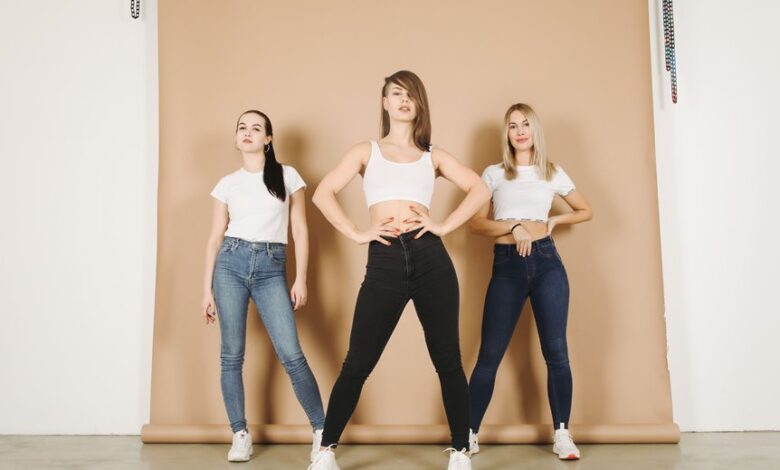
Portrait posing rests on careful alignment and intention. A camera-friendly plane emerges from head, neck, and shoulder cues that flatter without erasing character. Gaze and eye direction signal attention, mood, and connection, while posture blends ease with confidence. Props and backgrounds should hint at story, not shout it. On set, quick checks keep rhythm, yet subtle micro-adjustments preserve momentum. The threshold is simple: what question will sharpen the next shot without breaking the flow?
How to Choose Flattering Angles for Portraits
Choosing flattering angles starts with understanding how light shapes features. The approach centers on flattening distractions and accentuating form through deliberate poses. Flatter angles arise when shadows sculpt depth, while symmetry or asymmetry guides balance. Pose mapping charts key silhouettes, aligning head, neck, and shoulders to the camera plane. Purposeful angles empower freedom, clarity, and expressive potential without excess.
What Gaze and Eye Direction Say About Personality
Gaze and eye direction reveal more than intent; they signal personality through how attention is allocated and projected. In gaze psychology, observers interpret focus, cadence, and intention beyond words, shaping perceived trust and openness. Subtle shifts—eyebrow raise, lateral glance, downward gaze—offer clues about eye direction personalities. Visual cues become statements, guiding connection, tempo, and narrative without overt force.

How Posture Balances Emotion and Naturalness
Posture serves as the hinge between emotion and authenticity, balancing expressive intent with a natural, unforced presence. A balanced stance anchors the sitter, while a relaxed expression preserves spontaneity. The photographer notes a confident posture that communicates assurance without stiffness, enhanced by soft lighting that smooths features. This balance invites freedom in mood, gesture, and storytelling.
How to Use Props and Backgrounds to Support the Story
Props and backgrounds should function as narrative amplifiers, not distractions. They reinforce context, mood, and character while remaining unobtrusive. Thoughtful prop placement guides gaze and tells part of the story without shouting. Backgrounds should echo themes, create depth, and offer subtle contrasts that sharpen intent. Focus on story implications and prop integration for cohesive, expressive portraits.
Quick On-Set Checks to Keep Posing Flowing
Quick on-set checks keep posing flowing by surfacing small misalignments before they break the rhythm. A photographer surveys pose timing and posture in real time, making micro-adjustments that preserve momentum. Subtle shifts in tilt or distance maintain narrative flow. Lighting cues are read aloud with intent, ensuring shadows reinforce form. The result remains liberated, precise, and visually coherent.
Frequently Asked Questions
How Do Facial Features Influence Pose Choice for Authenticity?
Facial features guide pose choice by signaling natural symmetry and tension; the photographer selects angles that honor balance, while lighting mood emphasizes texture and emotion, aligning authenticity with silhouette. Face symmetry informs pose, lighting mood directs expression, freedom.
What Micro-Expressions Signal Genuine Connection During Shoots?
Genuine connection is signaled by micro expressions and nonverbal cues that emerge briefly, revealing authentic engagement; subtle smiles, eye warmth, and relaxed posture convey client confidence, while subtopic not relevant to other H2s informs observational nuance.
Which Lens Characteristics Most Affect Perceived Warmth in Portraits?
Lens characteristics that affect perceived warmth in portraits include focal length and aperture, influencing softness and skin rendering, while soft lighting and color temperature define tonal warmth, shaping mood and perceived temperature without changing subject texture or expression.
How Do Cultural Norms Impact Pose Expectations and Comfort?
Cultural norms shape pose expectations and comfort by guiding what is considered respectful, appropriate, and natural. Photographers observe cultural etiquette, gauge comfort zones, and adjust framing, angles, and expressions to honor sensitivities while preserving expressive freedom.
What Nonverbal Cues Indicate Client Confidence Under Pressure?
Confidence under pressure manifests in steady posture, controlled micro expressions, and purposeful gaze; nonverbal cues reveal authenticity through facial features and pose choice, signaling genuine connection. Lens characteristics shape perceived warmth and comfort, while cultural norms influence pose expectations and comfort during shoots.
Conclusion
In the studio’s quiet glow, the subject becomes a living silhouette, every line a quiet note in a composed portrait. Angles cradle the neck like a purposefully placed hinge, eyes trace a story without shouting, and posture breathes balanced ease. Props and backdrop thread intention without trespass, while quick checks keep momentum from fading into stillness. When light, line, and gaze lock in harmony, the image emerges—clear, confident, and unmistakably human.