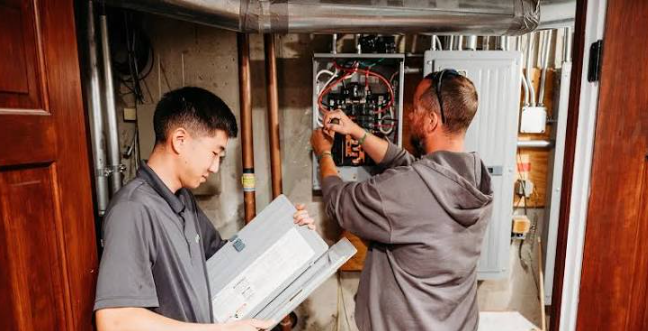
A safe and reliable electrical system is essential for every residential property. It distributes electricity throughout the home and supports the operation of appliances, lighting fixtures, heating equipment, and electronic devices. However, older electrical systems may struggle to accommodate increasing household electricity demands.
Homeowners in Chicago should understand the importance of maintaining appropriate electrical infrastructure, especially when living in older properties. Recognizing electrical warning signs and arranging timely professional inspections can help prevent unexpected power interruptions and improve overall household safety.
Why Modern Electrical Infrastructure Matters
Residential electrical systems are designed to distribute electricity through individual circuits while protecting household wiring against excessive electrical current.


As homes become increasingly dependent on modern appliances and technology, existing electrical infrastructure may require improvements.
A properly maintained electrical system offers several important benefits:
- Reliable electricity distribution throughout the home.
- Better support for modern household appliances.
- Reduced risk of overloaded electrical circuits.
- Improved electrical safety and performance.
- Greater flexibility for future renovations.
- More convenient maintenance and troubleshooting.
Professional evaluation helps determine whether existing electrical equipment remains suitable for current household requirements.
Common Electrical Challenges in Older Chicago Homes
Many established residential neighborhoods contain properties built during periods when household electricity consumption was generally lower.
Older electrical installations may develop several problems over time.
Limited Electrical Capacity
Some older homes contain electrical equipment originally designed for fewer appliances and lower electricity consumption.
Modern heating equipment, cooling systems, and kitchen appliances may introduce additional electrical requirements.
Aging Circuit Breakers
Circuit breakers can deteriorate over time due to regular operation and environmental exposure.
Repeated breaker trips may indicate overloaded circuits, defective appliances, or damaged electrical components.
Deteriorating Electrical Connections
Loose or damaged electrical connections can generate excessive heat and create potentially dangerous conditions.
Professional inspection is necessary to identify these problems safely.
Moisture and Corrosion
Water intrusion can damage electrical equipment and contribute to corrosion.
Visible rust, water stains, or unusual discoloration should be investigated by a qualified electrician.
Warning Signs That Your Electrical System Needs Attention
Electrical problems may develop gradually before causing significant equipment failure.
Homeowners should monitor several important warning signs:
- Frequently tripping circuit breakers.
- Flickering or unexpectedly dimming lights.
- Burning smells near electrical equipment.
- Persistent buzzing or crackling sounds.
- Visible rust or corrosion.
- Unexpected interruptions in electricity.
- Damaged electrical enclosures.
- Signs of overheating around electrical components.
These symptoms do not automatically indicate that complete equipment replacement is necessary. A professional inspection can identify the underlying problem and determine the appropriate solution.
When Should Homeowners Consider Electrical Improvements?
Residential electricity requirements often change when homeowners install additional appliances, renovate living spaces, or introduce modern technology.
Older electrical installations may also contain deteriorating components that require professional attention.
In such situations, an electrical panel upgrade Chicago service may help homeowners evaluate their existing distribution equipment and determine whether additional capacity or other improvements are necessary.
A licensed electrician can assess the installation, perform electrical load calculations, and recommend solutions based on the property’s specific requirements.
Important Factors to Consider Before Modernizing Your Electrical System
Proper electrical planning involves evaluating several important aspects of an existing installation.
Existing Electrical Capacity
A professional assessment can determine whether the current electrical service can safely accommodate the property’s calculated electricity demand.
Future Household Requirements
Planned renovations, additional appliances, and electric vehicle charging equipment may increase electricity consumption.
Considering these requirements early helps homeowners prepare for future improvements.
Equipment Compatibility
Electrical components must be suitable for the specific installation and comply with relevant manufacturer specifications.
Wiring Conditions
Damaged insulation, deteriorating connections, and other wiring concerns should be identified before electrical modifications begin.
Local Electrical Requirements
Electrical improvements in Chicago may require permits and inspections depending on the nature and scope of the work.
Qualified professionals can help homeowners understand and address applicable requirements.
How Professional Electricians Improve Residential Safety
Licensed electricians provide essential technical services that support the safe operation of residential electrical systems.
Comprehensive Electrical Inspections
Professional assessments can identify damaged components, improper connections, and other potential electrical hazards.
Electrical Load Calculations
Load calculations help determine whether existing infrastructure can accommodate current and planned electricity requirements.
Suitable Equipment Selection
Qualified electricians can recommend components appropriate for the property’s electrical installation.
Professional Installation
Electrical work should be completed using appropriate safety procedures and applicable installation standards.
Final Testing and Verification
After electrical modifications are completed, the installation should be inspected and tested to verify proper operation.
Essential Maintenance Tips for Chicago Homeowners
Preventive maintenance helps protect electrical equipment and support long-term reliability.
Keep Electrical Equipment Accessible
Avoid storing furniture, boxes, or other household materials directly in front of electrical distribution equipment.
Protect Equipment From Moisture
Water intrusion can damage internal electrical components and increase electrical safety risks.
Avoid Overloading Circuits
High-powered appliances should be connected to appropriately rated circuits according to their electricity requirements.
Maintain Accurate Circuit Labels
Clearly identifying individual circuits supports convenient professional maintenance and troubleshooting.
Arrange Professional Inspections
Periodic assessments can help identify developing problems before they become serious.
Why DIY Electrical Modifications Should Be Avoided
Electrical distribution equipment contains components that may remain energized even when the main breaker is switched off.
Attempting internal electrical repairs without appropriate qualifications can expose homeowners to serious electric shock and burn hazards.
Licensed electricians have the training, technical knowledge, and specialized equipment required to perform electrical work safely.
Professional services also help ensure that modifications comply with applicable electrical codes and manufacturer requirements.
Conclusion
Maintaining a reliable electrical system is an important responsibility for Chicago homeowners. Aging equipment, increasing household electricity consumption, and deteriorating electrical components can create problems that require professional attention.
Recognizing warning signs, arranging timely inspections, and planning suitable improvements can help maintain household safety and dependable electricity distribution.
With qualified installation, appropriate equipment, and preventive maintenance, residential properties can continue supporting modern electrical requirements for years to come.